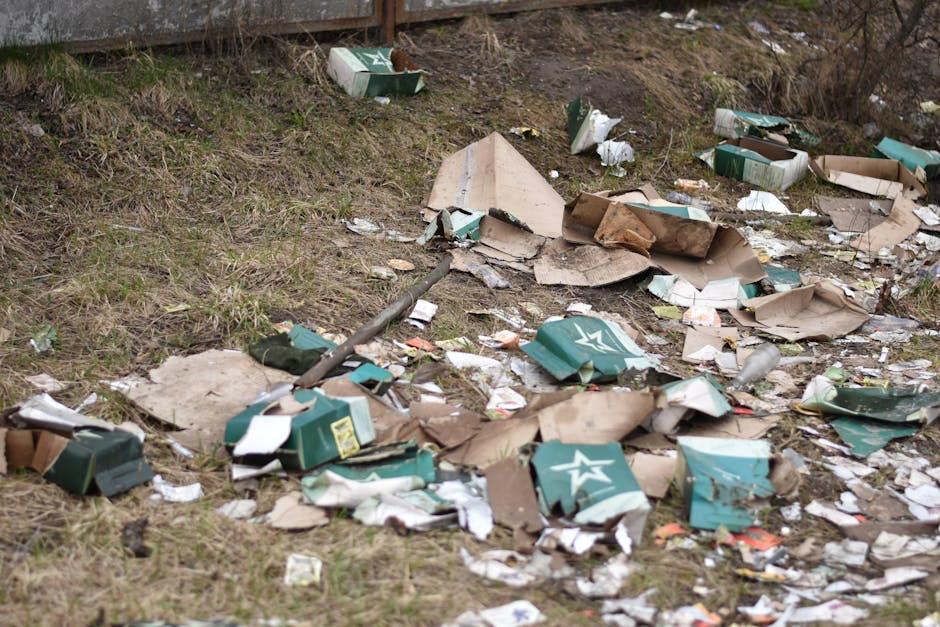
Avoiding Fly-Tipping on Camden High St: Quick Steps
If you manage waste, furniture, builders' debris, or even just a few bulky items on Camden High St, you already know how quickly a tidy clearance can go wrong. One missed collection, one bin bag left out too early, and suddenly there's a pile on the pavement that looks untidy at best and illegal at worst. Avoiding fly-tipping on Camden High St is mostly about simple habits done properly, every single time.
This guide gives you quick steps that actually help in the real world: how to plan waste removal, what to check before anything leaves the property, how to reduce temptation for opportunistic dumping, and how to choose a disposal method that keeps your street cleaner. If you want the short version, it is this: make waste harder to abandon, easier to trace, and faster to remove.
Why Avoiding Fly-Tipping on Camden High St: Quick Steps Matters
Fly-tipping is not just an eyesore. On a busy high street, it can block access, attract more rubbish, and create a chain reaction that makes the whole frontage look neglected. You will notice it most after shop closing time or during a rush period: one item appears, then another, then a black bag gets dragged beside it like it belongs there. It rarely stays small for long.
Camden High St has the kind of footfall that makes visible waste impossible to ignore. That matters for residents, retailers, landlords, office managers, and anyone responsible for keeping a property presentable. In practical terms, unwanted waste can affect reputation, customer experience, and even safety if it spills into walkways or gets broken apart by weather and passers-by.
There is also a bigger point. The quicker you deal with waste correctly, the less chance there is of it being mistaken for abandoned material. A stack of cardboard, a damaged chair, or a torn mattress left out "just for a minute" can look like a dumping spot. On a street like this, minute-by-minute matters more than people think.
Key takeaway: the best way to avoid fly-tipping is not complicated; it is usually about controlled storage, prompt removal, and making sure every item has a clear, lawful route off the street.
How Avoiding Fly-Tipping on Camden High St: Quick Steps Works
The basic idea is straightforward. Instead of leaving waste exposed and untracked, you create a process that keeps it contained, documented, and collected through the right channel. That sounds obvious, but in the rush of a move, refurbishment, or end-of-lease clearance, obvious things get skipped. It happens.
Think of it as a chain with four links: sort, secure, schedule, and remove. If one link is weak, the whole thing becomes a problem. For example, if old office chairs are left near a shared entrance overnight, they become a magnet for more rubbish. If builders' rubble is not bagged or boxed properly, it can spill. If you cannot prove who took the waste away, you may struggle if questions arise later.
In the Camden context, quick steps work best when they reduce time on the pavement and reduce ambiguity. Waste should not look free, forgotten, or available to the public. That means using covered containers where possible, arranging collection windows sensibly, and separating reusable items from waste that really does need disposal.
If you are dealing with larger clearances, it often helps to use a proper service rather than trying to improvise. Options like waste removal, home clearance, house clearance, or office clearance can reduce the amount of material left hanging around. Less waiting. Less mess. Less temptation for the wrong person to dump something else beside it.
Key Benefits and Practical Advantages
The benefits are bigger than just keeping the pavement neat. Once you get the process right, you save time, reduce complaint risk, and make it far easier to handle future clearances without drama.
- Cleaner frontage: a tidy street-level presentation matters on a high street where people judge a space in seconds.
- Lower risk of added waste: a controlled pile is less likely to become a dumping point for others.
- Less disruption: proper scheduling avoids waste sitting out over a weekend or overnight.
- Clearer responsibility: if waste is documented and handled by the right people, there is less confusion later.
- Better neighbour relations: nobody enjoys stepping around someone else's old furniture, to be fair.
- Improved safety: fewer trip hazards, sharper edges, and blocked access routes.
There is also a commercial advantage. If you run a shop, studio, or office near Camden High St, the way you handle waste says something about how you operate. A clean departure from a premises, especially during a clearance, can leave a better impression than the clearance itself. Sounds a bit fussy, maybe, but customers notice these things.
And if you are handling mixed items, it helps to separate them into sensible routes. Furniture may need different handling from cardboard, while builders' waste is a different job again. Services such as furniture disposal, builders waste clearance, and business waste removal are useful when you want the job handled properly rather than left to guesswork.
Who This Is For and When It Makes Sense
This guide is for anyone who has a responsibility for waste on or near Camden High St. That includes landlords, shop owners, office managers, letting agents, builders, flat sharers, and homeowners moving bulky items out of a property. It also makes sense for anyone who has ever looked at a pile of unwanted stuff and thought, "I'll sort that later." Later has a habit of becoming a problem.
You may need these steps if you are:
- clearing a flat after tenants move out
- replacing old office furniture
- disposing of broken household items
- removing garden cuttings from a rear yard or shared access space
- dealing with waste from light refurbishment or decorating
- emptying a loft, garage, or storage room that has turned into a catch-all
For smaller domestic jobs, flat clearance, loft clearance, garage clearance, and garden clearance can be sensible options. If you are clearing several rooms, the broader approach of furniture clearance or furniture disposal may be a better fit.
The key point is not the label on the service. It is whether the waste leaves the site quickly, cleanly, and through a route you can trust. That is really the whole game.
Step-by-Step Guidance
Here is a practical way to keep waste from becoming fly-tipping on Camden High St. Nothing fancy. Just a sequence that works.
1. Sort items before they reach the pavement
Separate reusable, recyclable, and true waste items indoors or in a controlled back-of-house space. If you mix everything together, the job becomes slower and messier. Also, mixed piles are easier for people to add to, which is exactly what you do not want.
2. Keep waste inside until collection time
If possible, store items out of view or in a locked, private area. Even a short exposure on the street can invite problems. In a busy area, a sofa left outside at 6 pm can attract attention by 7 pm, and not the good kind.
3. Use bags, boxes, or covers where suitable
Loose waste travels. Wind, rain, and people all help it spread. A few secure bags, a covered cage, or neatly stacked items are much less likely to become a nuisance. It sounds basic because it is basic. And basic works.
4. Book collection for the shortest realistic window
Do not leave waste sitting out for days. Arrange a collection time that fits your schedule and the access conditions on Camden High St. If the building has narrow entrances or shared access, plan for that in advance so the collection is efficient rather than improvised.
5. Match the service to the waste type
Builders' debris should not be handled like mixed household clutter, and office waste is not the same as old garden material. Picking the right route matters. If you are unsure, a specialist clearance service can usually separate it more effectively than a quick DIY attempt.
6. Clear the area after removal
Once the waste is gone, check for small remnants. Broken straps, cardboard scraps, screws, old labels, and bits of packaging are the sort of things that make a space look unfinished. It is a small detail, but small details are exactly where streets start to look untidy.
7. Keep a simple record
For business or landlord use, keep a note of what was collected, when, and by whom. You do not need a formal mountain of paperwork. Just enough to show the disposal was handled deliberately. That habit can save headaches later.
Expert Tips for Better Results
If you want to get ahead of fly-tipping risk, the trick is to think like the person who might cause it, then remove the opportunity. Slightly cynical, maybe, but useful.
- Do not advertise abandoned items: leaving usable items outside "for anyone to take" often creates confusion. If it is being donated or reused, make that clear and keep it supervised.
- Use timing to your advantage: early collections or same-day removal reduce the chance of overnight dumping.
- Protect shared spaces: if your property shares a passage, yard, or rear access point, keep waste away from those routes until the last possible moment.
- Separate bulky goods from loose rubbish: a single chair is easier to manage than a chair plus bags plus cardboard plus "a few bits". Those few bits become the problem.
- Choose a provider that talks plainly about handling and disposal: clear communication usually means fewer surprises.
One thing people overlook is smell. Food waste, damp cardboard, or old soft furnishings can quickly make a small pile feel like much more than a small pile. On a warm afternoon, that matters. A lot.
If you are comparing ways to deal with accumulated waste, check practical details such as collection speed, item type, access constraints, and whether the provider can handle mixed loads. If sustainability matters to you, it is worth looking at recycling and sustainability as part of the decision, rather than as an afterthought.
Common Mistakes to Avoid
Most fly-tipping problems begin as convenience shortcuts. A few of the usual ones are worth calling out.
- Leaving waste out too early: this is the big one. If it looks abandoned, somebody else may treat it that way.
- Assuming someone else will move it: on a busy street, that assumption is rarely rewarded.
- Using the wrong disposal route: not every item belongs in the same collection method.
- Failing to check access: if a collection team cannot reach the items easily, the waste may sit longer than planned.
- Mixing trade waste with household rubbish: this can complicate disposal and create confusion about responsibility.
- Skipping a final sweep: small fragments often make the biggest visual difference, oddly enough.
Another common mistake is relying on verbal understanding alone. "We'll get rid of it later" is not a plan. It is a delay wearing a hat.
For properties with multiple staff or residents, communication matters. If everyone knows where waste should go and when it will leave, the chance of accidental dumping drops sharply. You do not need a grand policy document for everything. Sometimes a clear note on the back door does the job.
Tools, Resources and Recommendations
You do not need a complicated toolkit, but a few simple items make a difference.
- Heavy-duty bags or sacks: useful for loose rubbish, packaging, and small mixed materials.
- Reusable straps or ties: helpful for keeping items together so they do not spread.
- Labels or simple notes: good for separating items that are staying, being reused, or being collected.
- Protective gloves: sensible for anyone moving broken, sharp, or dirty items.
- Trolley or sack barrow: useful if the waste has to be moved through a narrow internal route.
- Covered storage area: often the best resource of all, because prevention is easier than cleanup.
For larger jobs, it may be more efficient to use one of the site's dedicated services rather than piecing together multiple solutions. A homeowner clearing a property may benefit from house clearance or home clearance, while a landlord preparing a turnaround might need flat clearance and furniture clearance in the same week. It depends on the mess, truth be told.
For businesses, a reliable waste plan is often better than ad hoc disposal. If you want to understand the service offering more broadly, the pages on business waste removal and office clearance are a sensible place to start. For deeper company background and service expectations, about us can help set the tone.
Law, Compliance, Standards, or Best Practice
Waste on the street is not just a housekeeping issue. In the UK, fly-tipping is treated seriously, and anyone arranging disposal should be careful about who handles the waste and how it is removed. I am keeping this general on purpose, because legal duties can vary by property type, waste type, and who is producing the waste.
As a practical rule, use a service that is clear about responsible handling, insurance, and disposal arrangements. You should be confident that the waste will not be dumped elsewhere, and that the process is traceable enough to show the items were dealt with properly. If a provider cannot explain the process in plain English, that is a warning sign. Not always a disaster, but a warning sign.
Best practice usually includes:
- keeping waste on private property until collection
- separating recyclable materials where reasonable
- avoiding overnight street storage
- using trained handlers for bulky or heavy items
- checking insurance and safety arrangements before collection
- keeping a record of the service used, especially for businesses and landlords
If you want to review broader service standards, the pages on insurance and safety, health and safety policy, payment and security, and terms and conditions are relevant because they speak to how a provider works, not just what they collect.
It is also sensible to understand how complaints are handled and what privacy information is kept. That is especially useful if you are arranging clearance on behalf of a tenant, team, or customer. The pages on complaints procedure, privacy policy, and cookie policy may matter more than people think when you are comparing providers.
Options, Methods, or Comparison Table
Different waste situations need different approaches. Here is a simple comparison that may help you choose the cleanest route.
| Method | Best for | Pros | Watch out for |
|---|---|---|---|
| DIY carry-out | A few light items | Cheap, quick if access is easy | Can sit around too long; easy to get wrong |
| Scheduled private collection | Mixed household or office waste | Faster removal, less street exposure | Needs good timing and clear instructions |
| Specialist clearance service | Bulky furniture, flats, offices, larger loads | Handled efficiently, less hassle, better for awkward access | Must choose the right service type |
| Trade-specific waste clearance | Builders' waste or refurbishment debris | Better suited to heavy or messy material | Requires proper sorting and planning |
In plain terms, the less time waste spends exposed, the better. DIY can work for small jobs, but once the volume or weight grows, the risk of it becoming a nuisance goes up quickly. On Camden High St, that risk is even higher because the environment is so visible and so busy.
Case Study or Real-World Example
Picture a small office above a shopfront near Camden High St. The team is replacing desks, clearing old filing cabinets, and getting rid of a damaged sofa from the waiting area. The easy option would be to drag everything outside after closing and deal with it "in the morning".
That is exactly how problems start.
Instead, the manager sorts the items inside, marks what is staying, and books a clearance for the earliest practical window the next day. The broken sofa is separated from cardboard packaging. Loose paper is bagged. A quick internal sweep removes screws, plastic ties, and a couple of forgotten cables. By the time the collection happens, the items are ready to go straight out, and the pavement is clear again within a short window.
The result is not dramatic. No applause, no ribbon cutting. But the frontage stays tidy, the staff avoid trip hazards, and no extra waste appears beside the pile overnight. That small difference is the whole point.
I have seen similar situations where a flat move or end-of-tenancy clearance looked manageable on day one and a mess by day two. Usually, the fix is not heroic effort. It is better timing, better sorting, and refusing to leave items "temporarily" outside. Simple, really. Not always easy, but simple.
Practical Checklist
Use this checklist before you put anything out for collection.
- Have I sorted reusable, recyclable, and true waste items?
- Are the items kept on private property until collection time?
- Is the access route clear enough for quick removal?
- Have I covered or secured loose material?
- Is the collection booked for the shortest realistic window?
- Do I know which service is right for this load?
- Have I removed small scraps, fasteners, and packaging from the area?
- Do I have a simple record of the collection, if needed?
- Is the waste away from a public footway, even briefly?
- Have I checked the provider's service details and safety information?
Quick reminder: if a pile looks temporary to you, it can still look abandoned to everybody else.
For a cleaner process from start to finish, you may also want to review pricing and quotes before booking, especially if you are comparing a one-off clearance with ongoing waste removal.
Get a free quote today and see how much you can save.
Conclusion
Avoiding fly-tipping on Camden High St does not require complicated systems. It requires a few disciplined habits: keep waste controlled, remove it promptly, and choose the right collection route for the job. Do that well, and the street stays cleaner, the property looks better, and you avoid the awkwardness of dealing with waste that should never have become a problem in the first place.
If you are handling bulky items, mixed rubbish, office furniture, or a property clear-out, it is worth taking the extra few minutes to plan properly. That small bit of care is often what stops a tidy clearance from turning into a mess. And honestly, on a street as busy as Camden High St, that extra care pays off fast.
Keep it simple. Keep it contained. Get it gone before it gets a chance to become someone else's problem.
Frequently Asked Questions
What is the quickest way to avoid fly-tipping on Camden High St?
The quickest approach is to keep waste on private property until collection, book removal as close to the disposal time as possible, and avoid leaving anything loose or uncovered on the pavement.
Is it illegal to leave rubbish outside briefly?
It can be risky, even if you only mean it as temporary. Waste left outside may be treated as abandoned, and it also invites other people to add to it.
What kinds of waste cause the most fly-tipping problems?
Bulky furniture, bagged household rubbish, builders' waste, broken office items, and loose cardboard tend to cause problems because they are awkward to store and easy to dump.
How do I stop people adding rubbish to my pile?
Use a locked or private holding area where possible, keep collection windows short, and do not leave items visible and unattended for long periods.
Do I need a specialist service for office waste?
If the waste is mainly desks, chairs, filing cabinets, or mixed workplace clutter, a specialist office clearance or business waste removal service is usually the cleaner option.
Can furniture be removed without creating a mess?
Yes, if it is cleared promptly and moved in a controlled way. Furniture disposal works best when the items are separated in advance and removed during a narrow collection window.
What should I do if waste has already been dumped near my property?
First, avoid adding your own waste to it. Then arrange proper removal as soon as possible and document the issue if you need to report it internally or to a managing agent.
How can landlords reduce fly-tipping around flats?
Clear instructions for tenants, quick end-of-tenancy clearance, and proper flat clearance planning all help. A tidy shared entrance is usually the best deterrent.
Is recycling worth separating before collection?
Usually yes. Separating cardboard, metal, wood, and reusable items can make disposal more efficient and reduce the chance of mixed waste being left around.
What is the main mistake people make with waste on busy streets?
Leaving it out too early. That one habit creates most of the avoidable trouble, because it turns a managed clearance into an open invitation.
How do I choose between home clearance and house clearance?
The wording is less important than the job itself. If you are clearing a whole property, house clearance may fit better; if it is a smaller or mixed domestic job, home clearance may be enough.
Where can I learn more about service standards before booking?
It helps to review the provider's about, safety, sustainability, terms, and pricing information so you know how the service is handled before anything is removed.