Clearing Rubbish on Chalk Farm Road: Waste Tips NW1
Chalk Farm Road in NW1 has its own rhythm: busy pavements, mixed-use buildings, small businesses, flats above shops, and the kind of everyday clutter that builds up faster than people expect. Whether you are dealing with household rubbish, old furniture, builders' debris, or a post-refurbishment pile that has outstayed its welcome, the right approach to clearing rubbish on Chalk Farm Road saves time, keeps access clear, and reduces the risk of messy mistakes.
This guide breaks down what matters, how rubbish clearance usually works in practice, and the waste tips NW1 residents and businesses can actually use. You will also find compliance pointers, a comparison table, and a realistic checklist so you can plan the job properly rather than improvise at the kerbside. If you need a broader service overview, it can help to look at a local waste removal service, or explore options like furniture disposal and builders waste clearance when the job is more than a simple bin run.
Practical summary: the best rubbish clearance is not just fast; it is sorted, safe, legal, and matched to the type of waste you actually have.
Table of Contents
- Why Clearing Rubbish on Chalk Farm Road: Waste Tips NW1 Matters
- How Clearing Rubbish on Chalk Farm Road: Waste Tips NW1 Works
- Key Benefits and Practical Advantages
- Who This Is For and When It Makes Sense
- Step-by-Step Guidance
- Expert Tips for Better Results
- Common Mistakes to Avoid
- Tools, Resources and Recommendations
- Law, Compliance, Standards, or Best Practice
- Options, Methods, or Comparison Table
- Case Study or Real-World Example
- Practical Checklist
- Conclusion
- Frequently Asked Questions
Why Clearing Rubbish on Chalk Farm Road: Waste Tips NW1 Matters
Waste looks harmless until it starts affecting the space around it. On a road like Chalk Farm Road, where foot traffic, deliveries, residential access, and commercial activity often overlap, even a modest amount of rubbish can become a practical nuisance. Bags left too long outside, broken furniture blocking a hallway, or renovation waste tucked into a shared entrance can quickly become a problem for neighbours, landlords, customers, and anyone trying to get past.
There is also a simple operational reason to care: clutter slows everything down. If you are moving out, preparing a flat for letting, clearing an office, or finishing a shop fit-out, rubbish tends to multiply at the exact moment you want the site to look calm and finished. In that sense, proper clearance is not a luxury. It is part of getting the space back under control.
For many NW1 properties, access is the real challenge. Narrow entrances, shared stairwells, parking restrictions, and awkward loading conditions mean that rubbish removal has to be planned with a bit more care than a suburban curb collection. That is why residents and businesses often benefit from services designed around local access constraints, such as flat clearance for apartment-based jobs or office clearance when desks, filing systems, and mixed office waste need to go in one coordinated visit.
In practice, the better your waste plan, the fewer surprises you will face. And yes, rubbish has a habit of producing surprises at the worst possible time.
How Clearing Rubbish on Chalk Farm Road: Waste Tips NW1 Works
Rubbish clearance usually follows a straightforward pattern, but the details matter. First, you identify the waste type. That sounds obvious, but it is where a lot of people go wrong. A mattress, a pallet of renovation offcuts, a broken wardrobe, and a stack of confidential office paperwork all need different handling.
Next, you work out access. Can items be carried out by hand? Will a van need to stop close by? Are there stairs, tight corridors, or a lift booking to consider? A good clearance plan takes these practical points seriously because the difference between a smooth job and a frustrating one is often just a few minutes of preparation.
Then comes sorting. Reusable items should be separated from true waste where possible. Recyclable materials should not be mixed with general rubbish if it can be avoided. This is especially useful for large clearances, because a load that is already sorted is easier to process responsibly. If you are handling mixed household items, a home clearance or house clearance approach often makes more sense than trying to do everything yourself in stages.
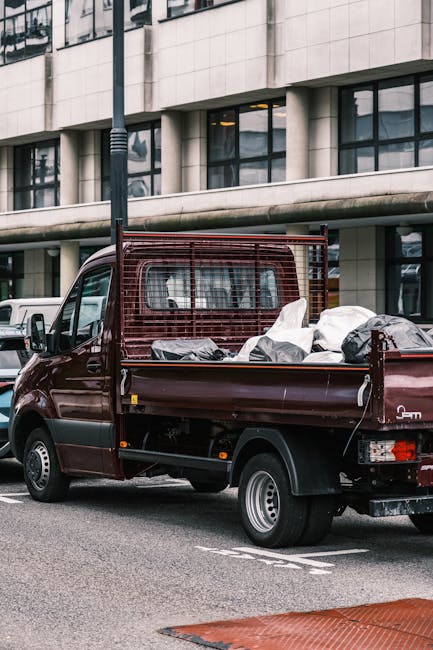
Finally, there is removal and disposal. Depending on the waste, this may mean taking items to a licensed transfer station, arranging specialist collection, or using a service that can load, transport, and dispose of the rubbish in one visit. If the material includes heavy or awkward items, such as wardrobes, cabinets, or bed frames, services like furniture clearance can make the process far more efficient.
For building-related waste, the workflow is usually a bit stricter: dust, rubble, timber, plasterboard, packaging, and fixings often need separate consideration. That is where builders waste clearance becomes the more suitable route.
Key Benefits and Practical Advantages
Good rubbish clearance does more than make a property look tidy. It also improves how the space functions day to day. On Chalk Farm Road, where access and presentation both matter, that is a meaningful advantage.
- Safer walkways and shared areas: fewer trip hazards, fewer blocked corridors, and less risk around exits.
- Better presentation: especially useful for landlords, letting agents, shops, studios, and offices preparing for viewings or inspections.
- Less stress: a defined plan beats several uncertain trips to the tip.
- More efficient use of time: one organised clearance is often faster than handling waste in small fragments.
- Improved recycling outcomes: sorted waste is generally easier to process responsibly.
- Reduced compliance risk: proper handling matters if the waste is commercial, bulky, or potentially regulated.
There is also a financial benefit in avoiding rework. If waste is mixed badly, left in the wrong place, or handled by the wrong method, it may cost more to correct later. For anyone comparing service options, it is worth checking pricing and quotes early rather than guessing and hoping for the best.
Expert note: the cheapest-looking option is not always the best value if it creates delays, access problems, or disposal headaches afterwards.
Who This Is For and When It Makes Sense
This kind of rubbish clearance is relevant to a surprisingly wide group of people. If you live, work, or manage property around Chalk Farm Road and the wider NW1 area, you are probably in one of these situations.
Homeowners and tenants
Maybe you are moving out, replacing furniture, or dealing with years of accumulated items in a loft, spare room, or hallway cupboard. A focused clearance can be a good fit when the job is bigger than normal household bin capacity but not large enough to justify a full-scale move.
Landlords and letting agents
Turnaround time matters. When a property needs to be made ready between tenancies, rubbish removal can be one of the most time-sensitive parts of the process. Clearance often sits alongside cleaning, minor repairs, and furniture changes.
Businesses and office managers
Shops, small offices, studios, and hospitality spaces often accumulate packaging, broken furnishings, old stock, or archived materials. If the waste is mixed and time is limited, a planned collection is usually far more practical than ad hoc disposal. In those cases, business waste removal and office clearance can be the most efficient choices.
Tradespeople and renovators
Refits, decorating projects, and light building work generate waste that should not be treated like everyday rubbish. Timber, tiles, plasterboard, old fixtures, and packaging can all need separate handling. If your work has produced a substantial pile, specialist clearance is often the sensible route.
People handling estate or whole-property clearances
These jobs usually involve a mix of furniture, household goods, and general clutter. They are emotionally and physically demanding, so a methodical approach helps. A broader home clearance or garage clearance can save repeated trips and reduce stress.
Step-by-Step Guidance
Here is a clear, practical way to approach rubbish clearance on or near Chalk Farm Road without turning it into a weekend of frustration.
- Walk the site first. Identify what actually needs to go. Separate obvious rubbish from items that might be reused, donated, or recycled.
- Group waste by type. Put furniture with furniture, rubble with rubble, cardboard with cardboard, and hazardous or specialist items aside for separate advice if needed.
- Measure awkward items. Large wardrobes, sofas, and appliances can be difficult to remove if they do not fit through doors or stairwells easily.
- Check access. Note parking restrictions, loading limits, entry codes, concierge arrangements, and any time windows for collection.
- Decide what you can move yourself. Smaller lightweight waste may be manageable. Bulky, heavy, or dirty items are usually better left to a proper clearance team.
- Book the right service. Match the job to the waste: furniture clearance, builders waste clearance, loft clearance, or general waste removal.
- Prepare the items. Flatten boxes, disconnect appliances safely where appropriate, and keep paths clear to speed up loading.
- Confirm disposal expectations. Ask how the waste will be handled, especially if recycling or reuse is important to you.
- Do a final sweep. Check cupboards, under beds, sheds, basements, and storage corners. The last bag is often hiding in plain sight.
If the clutter is spread across several rooms, a loft clearance or a full property service can be more efficient than piecemeal removal. The same logic applies to bulky household items; if it is mostly old sofas, tables, chairs, or wardrobes, furniture disposal may be the most direct option.
Expert Tips for Better Results
Small decisions make a big difference in rubbish clearance. These are the practical habits that consistently improve outcomes.
- Clear in categories, not in random order. It is easier to load, recycle, and check items when similar materials are grouped together.
- Keep a "maybe" pile separate. If you are unsure whether something should be kept, sold, donated, or discarded, do not let it disappear into the general rubbish pile by default.
- Take photos before booking. A few clear pictures help match the job to the right service and can reduce misunderstandings.
- Think about the route out. Removing one large item from a third-floor flat can take longer than clearing a whole ground-floor room.
- Use the job to reset the space. Once the waste is gone, clean the area immediately. That is the moment when the improvement really lands.
- Ask about sustainability. Reuse and recycling are often part of a responsible clearance plan, and many customers prefer that to simple disposal.
If you want to understand how responsible handling is approached more broadly, a dedicated recycling and sustainability page is a useful place to check the working assumptions behind a service.
Useful rule of thumb: if an item is heavy, awkward, dusty, or likely to trigger access issues, plan for professional removal rather than a last-minute DIY carry.
Common Mistakes to Avoid
A lot of waste problems are self-created, usually through rushing. The good news is that they are avoidable.
1. Treating all waste as if it were the same
Mixed waste is harder to handle correctly. A load of general rubbish is not the same as a load of construction debris, and neither is the same as confidential business material.
2. Leaving it until the last minute
People often wait until just before a move-out, inspection, or delivery. That is when access becomes tighter and options become more limited. Early planning usually gives you more control and fewer fees linked to urgency.
3. Blocking shared spaces
On a busy road or in a communal building, leaving rubbish in a hallway, stairwell, or outside a front entrance can create friction quickly. It is not only untidy; it can be unsafe.
4. Forgetting about disposal rules
Do not assume every collection method is suitable for every kind of waste. Even within normal household rubbish, some materials may need separate handling or additional care.
5. Underestimating heavy items
That old chest of drawers seems manageable until you reach the stairs. Then it becomes a team exercise with a very specific understanding of gravity.
6. Failing to ask what happens next
If you care about reuse, recycling, or responsible disposal, ask upfront. Reputable services should be able to explain their approach in plain English.
Tools, Resources and Recommendations
You do not need a warehouse of equipment to manage rubbish well. A few simple tools and a sensible plan go a long way.
- Heavy-duty bin bags for loose household waste and lightweight packaging.
- Gloves for protection when handling sharp or dirty items.
- Tape and labels to mark keep, donate, recycle, and remove piles.
- Measuring tape for furniture and clearance routes.
- Phone camera to document the job before and after.
- Trolley or sack truck for safe movement of heavier items, if appropriate.
For service planning, a few pages are especially useful. If you want a clearer view of service scope, the about us page can help you understand how the business positions itself. For practical booking questions, contact us is the obvious next step. And if you are comparing terms before committing, it is sensible to review terms and conditions and insurance and safety.
For people who need to understand the handling of large household clearances specifically, a house clearance page often gives the best sense of the practical process from start to finish.
Law, Compliance, Standards, or Best Practice
Rubbish clearance in the UK is not just a matter of lifting and loading. There are legal and practical duties around waste handling, especially when waste comes from a business, a refurbishment, or a property management context.
The safest general principle is simple: make sure waste goes to a legitimate, properly managed disposal route and avoid fly-tipping or handoff to anyone who cannot explain what happens next. If you are hiring someone to remove rubbish, it is sensible to check that they operate responsibly, are insured, and can describe their process clearly. That is particularly relevant if the waste includes mixed materials, furniture, or construction debris.
For businesses, good records matter too. Commercial waste should be handled with extra care because poor disposal can create problems for landlords, managing agents, and the business itself. If you operate from an office, shop, or studio on or near Chalk Farm Road, using a reputable business waste removal provider can reduce risk and make compliance easier to manage.
It is also worth paying attention to practical standards beyond the legal minimum: clear access routes, safe lifting, tidy loading, and respectful treatment of shared spaces. These are not glamorous details, but they are the marks of a well-run clearance job.
Options, Methods, or Comparison Table
There is no single best method for every rubbish problem. The right choice depends on volume, weight, access, urgency, and the type of waste involved.
| Method | Best for | Pros | Limits |
|---|---|---|---|
| Self-clearance | Small, light household waste | Low direct cost, flexible timing | Time-consuming, vehicle needed, heavier items are difficult |
| Man and van collection | Bulky items, mixed household rubbish | Convenient, faster than multiple trips | May need careful sorting and access planning |
| Specialist furniture clearance | Sofas, wardrobes, tables, beds | Good for awkward and heavy furniture | Not ideal for rubble or mixed trade waste |
| Builders waste clearance | Refurbishment and renovation debris | Handles bulky construction materials properly | Requires accurate waste description and site access |
| Full property clearance | Homes, flats, estates, and large cleanouts | Efficient for larger jobs, less repetitive effort | Needs planning and clear instructions |
For a flat above a shop or a compact apartment near Chalk Farm Road, a flat clearance is often the right balance between convenience and control. For a garage or storage-heavy space, garage clearance may be a better fit because the waste mix is usually different.
Case Study or Real-World Example
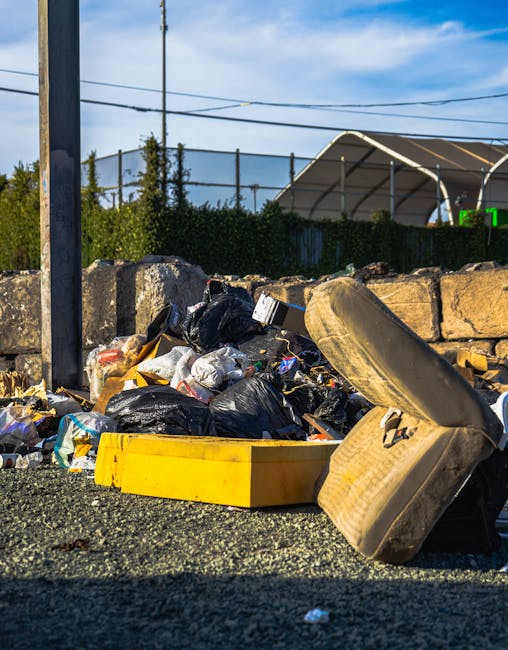
Consider a realistic NW1 scenario. A small rental flat off Chalk Farm Road has just been vacated. The tenant has left behind a broken bed frame, two chairs, a wardrobe, several bags of mixed rubbish, and a few boxes of old books. The landlord also notices a pile of packaging and a dismantled shelf unit in the hallway cupboard.
If someone tries to deal with that in a rush, the job quickly becomes awkward. The bed frame is too bulky for normal waste bins. The wardrobe needs dismantling or careful carrying. The books are technically manageable, but they add weight. The hallway cupboard items need checking so they are not accidentally mixed with things the landlord wants to keep.
A more sensible plan is to sort the waste into categories, photograph the lot, confirm access, and book a clearance that matches the load. In this case, a combination of furniture clearance and general waste removal would likely be more efficient than multiple separate trips. If there were loft storage items too, then loft clearance could also be part of the solution.
The result is straightforward: the flat is cleared faster, the hallway stays usable, and the landlord can move on to cleaning and repairs without chasing leftover waste. That is the kind of outcome that matters in real life.
Practical Checklist
Use this checklist before booking or beginning clearance on Chalk Farm Road.
- Identify the main waste type: household, furniture, builders' debris, office material, or mixed waste.
- Check whether anything can be reused, donated, or recycled.
- Measure the largest items and the narrowest access points.
- Confirm lift access, parking, and loading restrictions.
- Remove personal items, valuables, and anything you want to keep.
- Separate confidential papers or sensitive materials from general rubbish.
- Take photos of the waste pile from more than one angle.
- Ask about disposal method, recycling approach, and any exclusions.
- Confirm timing so the clearance does not clash with deliveries, cleaners, or trades.
- Make sure paths, doorways, and communal areas are as clear as possible.
If you are looking for a confident, structured way to deal with a larger job, a properly managed home clearance or waste removal service can take a lot of pressure off the day.
Conclusion
Clearing rubbish on Chalk Farm Road is really about making good decisions early. When you match the waste type to the right clearance method, plan for access, and keep an eye on safety and disposal standards, the whole job becomes simpler. That matters in NW1, where space can be tight and the practical reality of collection is often more complex than it first appears.
The best results usually come from a calm, structured approach: sort first, remove second, and leave nothing to chance. Whether you are clearing a flat, tidying a business premises, or dealing with bulky items after a project, the right service can save time and reduce stress. If you need a straightforward next step, reviewing the relevant service pages and asking for a quote is often the fastest way forward.
Get a free quote today and see how much you can save.
For a final check on service details, it is also worth reading the recycling and sustainability approach and the pricing and quotes information before you book.
Frequently Asked Questions
What is the best way to clear rubbish from a flat near Chalk Farm Road?
The best method depends on volume and access, but for bulky or mixed waste, a flat clearance service is usually the most practical choice. It reduces the need for multiple trips and helps avoid stairwell bottlenecks.
Can I put furniture out on the street for collection?
You should not assume that curbside placement is acceptable. In shared or busy areas, furniture can obstruct access or breach local rules. It is safer to arrange a proper collection and confirm the disposal plan in advance.
How do I know whether I need builders waste clearance or general waste removal?
If the waste includes rubble, plasterboard, timber, fixings, or other refurbishment debris, builders waste clearance is usually the better fit. General waste removal is more suitable for mixed non-construction rubbish.
Is rubbish clearance suitable for offices and small businesses?
Yes. Businesses often need waste removal for old furniture, packaging, archive clearouts, or end-of-lease cleanups. Office clearance and business waste removal are designed for those situations.
What should I do with old furniture that is too heavy to move myself?
Do not force it. Heavy furniture is a common cause of injuries and hallway damage. Furniture clearance or furniture disposal services are built for awkward, bulky items.
How far in advance should I book a clearance?
As early as you can, especially if access is limited or the job needs to fit around movers, contractors, or lease deadlines. Early booking gives you better scheduling flexibility.
What happens to the rubbish after it is collected?
That depends on the provider and the waste type. Responsible services usually sort materials where possible and direct them to suitable disposal or recycling routes. It is sensible to ask this question before booking.
Can I combine a loft clearance with a house clearance?
Yes, and that is often the most efficient approach. If the property has stored items in multiple areas, combining the work can reduce repeated handling and save time.
Are there special considerations for business waste in NW1?
Yes. Commercial waste should be handled carefully, especially where confidential material, mixed stock, or landlord requirements are involved. Using a business waste removal service helps keep the process organised.
How can I reduce the cost of rubbish clearance?
Sort items beforehand, separate anything reusable, provide clear photos, and explain access conditions accurately. A well-prepared job is usually easier and more efficient to quote for.
What if I only have a small amount of rubbish?
Small amounts may not need a full property clearance. In that case, a lighter waste removal visit or a focused furniture clearance may be more suitable.
Where can I learn more about the company behind the service?
You can review the about us page, check the insurance and safety information, and contact the team if you want a specific quote or clarification.