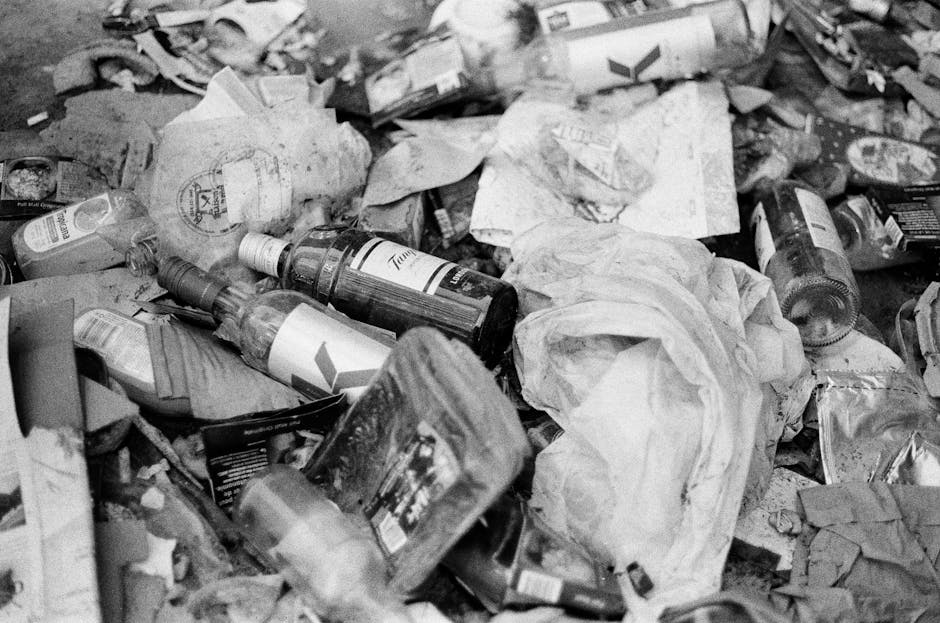
Fines for Illegal Rubbish Disposal in Camden Town
If you live, work, renovate, or run a business in Camden Town, rubbish disposal is not something to leave to chance. Fines for illegal rubbish disposal in Camden Town can arrive faster than people expect, and in a busy part of London, fly-tipping, side-street dumping, and careless bag placement can all become expensive problems. The good news? Once you understand how enforcement works, what counts as illegal disposal, and how to stay on the right side of local rules, it becomes much easier to manage waste properly. This guide breaks it all down in plain English, with practical steps you can actually use.
Whether you are dealing with a flat clearance, a shop refit, builders' debris, an overflowing loft, or just a mystery pile that appeared overnight, the same principle applies: waste must be handled responsibly and traceably. Let's face it, nobody wants a penalty notice because of a couple of black bags and a rushed decision on a wet Tuesday evening.
Table of Contents
- Why Fines for Illegal Rubbish Disposal in Camden Town Matters
- How Fines for Illegal Rubbish Disposal in Camden Town Works
- Key Benefits and Practical Advantages
- Who This Is For and When It Makes Sense
- Step-by-Step Guidance
- Expert Tips for Better Results
- Common Mistakes to Avoid
- Tools, Resources and Recommendations
- Law, Compliance, Standards, or Best Practice
- Options, Methods, or Comparison Table
- Case Study or Real-World Example
- Practical Checklist
- Conclusion
- Frequently Asked Questions
Why Fines for Illegal Rubbish Disposal in Camden Town Matters
Camden Town is dense, active, and constantly moving. Shops open early, deliveries arrive all day, flats turn over quickly, and construction or refurbishment work never seems far away. In that kind of environment, waste piles up visibly. A single abandoned sofa, sack of rubble, or pile of mixed rubbish can look like a small issue, but it often becomes a neighbourhood eyesore very quickly.
That is why illegal rubbish disposal matters so much here. It affects not just the person who dumped the waste, but everyone nearby. Broken glass on pavements, blocked access points, pests, bad smells, and unattractive street scenes all create friction in a place where space is already tight. You notice it immediately. So does the council. And so do enforcement teams.
There is also a fairness issue. When one person avoids proper disposal costs by dumping waste where it does not belong, everyone else pays the price through cleaner-up costs, inconvenience, and environmental damage. In practice, fines are used to discourage that behaviour and to make sure waste is handled through approved routes. That is the central idea, simple enough really.
If you are already dealing with bulky items, domestic clutter, or commercial waste, the safer approach is to plan disposal properly from the start. For practical help with that side of things, many property owners look into waste removal or a more tailored option such as house clearance depending on the scale and type of waste involved.
Key takeaway: In Camden Town, illegal dumping is not a minor shortcut. It is a risk to your wallet, your reputation, and the local environment, especially in high-footfall streets where waste is quickly noticed.
How Fines for Illegal Rubbish Disposal in Camden Town Works
Penalties for illegal rubbish disposal usually come into play when waste is left, placed, or handed over in a way that breaches local rules or wider waste duties. That can include fly-tipping, leaving bags outside collection arrangements, using an unlicensed collector, or failing to separate and present waste properly when required.
In simple terms, enforcement tends to follow this pattern:
- Waste is reported or spotted. This may happen through routine patrols, resident reports, or CCTV in some areas.
- Responsibility is investigated. Officers may look for packaging, address labels, invoices, or other clues to identify who produced the waste.
- A notice or penalty may be issued. Depending on the circumstances, this could be a fixed penalty notice, a cleanup demand, or further action.
- More serious cases can escalate. Large-scale dumping, repeat offending, or evidence of organised waste crime can lead to heavier consequences.
The important thing is that "I didn't mean to" is rarely a full defence if your waste was disposed of carelessly. If you give rubbish to someone else, you still need to take reasonable steps to check that they are properly authorised and that the waste will be handled lawfully. This point catches people out more than they'd like to admit.
For businesses, the stakes are often higher. Commercial waste must be managed carefully, documented properly, and kept separate from household rubbish. A good starting point is to understand the difference between ad hoc disposal and structured collection. Services like business waste removal and office clearance exist because commercial waste needs a cleaner, more accountable process.
Builders' waste is another common flashpoint. Leftover tiles, timber offcuts, plasterboard, rubble, and packaging can create a problem fast if they end up on the street or in a shared bin area. If your issue is renovation-related, builders waste clearance is usually the more sensible route.
Key Benefits and Practical Advantages
It may feel odd to talk about "benefits" in the context of fines, but there really are clear advantages to getting waste disposal right before anything goes wrong.
- Lower financial risk. Avoiding fines is the obvious one, but proper disposal also helps avoid repeat collection charges and emergency callouts.
- Less stress. Once waste is scheduled and removed properly, you are not wondering whether a neighbour will complain or whether a bag will blow open in the wind.
- Cleaner, safer spaces. This matters hugely in Camden Town, where narrow pavements and shared access areas can become cluttered quickly.
- Better reputation. If you are a landlord, contractor, office manager, or retailer, people notice how you handle waste. Fair or not, it reflects on you.
- More predictable planning. When you know the right route for disposal, you can organise clearance around your move, refurbishment, or closing date without last-minute panic.
There is also a practical comfort in using a proper waste solution. You get receipts, collection timing, and a clear trail. That matters if there is ever a dispute, a complaint, or a question about who left what. In a busy neighbourhood, that paper trail is worth its weight in gold. Well, almost.
If you are trying to keep a home or flat clear of clutter without creating enforcement problems, a structured service such as flat clearance or home clearance can be a far cleaner solution than piecemeal dumping or putting excess items beside communal bins.
Who This Is For and When It Makes Sense
This topic matters to a lot of people, not just those who have already received a warning or fine. In our experience, the people searching for this information usually fall into one of a few groups.
Homeowners and tenants
Maybe you are clearing out after a move, dealing with a loft full of old furniture, or replacing a few heavy items that will not fit in the car. If you are tempted to leave stuff by the pavement "just for a day", that is precisely the kind of decision that can go wrong.
Landlords and letting agents
End-of-tenancy waste can be awkward. Old mattresses, broken chairs, black bags, and leftover kitchen bits often appear all at once. A careful clearance plan helps avoid complaints from neighbours and avoids the sort of mess that triggers enforcement attention.
Local businesses
Shops, cafes, offices, and hospitality venues generate waste every day. Cardboard, packaging, furniture, and old fixtures all need a proper route out. If your disposal process is too casual, a fine can follow the waste trail back to you.
Builders and tradespeople
Construction and refurbishment jobs create bulky, sometimes heavy debris. The temptation is to "deal with it later." That later can be expensive. If your project is producing rubble, timber, or mixed waste, use a service designed for the job.
Anyone who has inherited a messy property
Sometimes the issue is not day-to-day rubbish at all. It is a garage, cellar, loft, or whole home that has filled up over years. In that case, a larger-scale clearance approach is usually the answer. For example, a property with mixed furniture and household clutter may suit furniture clearance plus a broader house clearance plan.
Step-by-Step Guidance
If you want to avoid fines for illegal rubbish disposal in Camden Town, the process is less complicated than it sounds. It just needs a bit of order. Here is the practical version.
- Identify the waste type. Separate furniture, electronics, green waste, builders' debris, confidential office material, and general rubbish. Mixed waste is usually harder to manage and sometimes more expensive to dispose of correctly.
- Estimate volume. A small van load, a few bulky items, or a full clearance each call for different handling. If you under-estimate, the result can be a half-finished job and extra risk.
- Check whether any item needs special handling. Mattresses, paint tins, plasterboard, electrical items, and some bulky materials may need different treatment than ordinary household bags.
- Choose a legal route. That may be your scheduled council collection, a licensed clearance service, or a dedicated disposal arrangement for the waste type.
- Keep evidence. Retain receipts, collection confirmations, or job details. It is boring, yes, but when there is a dispute, boring paperwork becomes very useful.
- Place waste only when and where instructed. Do not leave it outside too early, block a shared entrance, or assume a neighbour will "mind it for a bit." That kind of arrangement has a habit of backfiring.
- Follow up quickly. If waste is not collected as expected, do not leave it sitting there. Act the same day if possible.
If you are not sure where to start, the safest move is usually to speak with a provider that can match the job to the right clearance type. A single room of clutter, for example, may need one approach, while a garage full of mixed junk may need another. That sort of judgment call matters more than people think.
Expert Tips for Better Results
Small habits make a big difference here. The people who avoid trouble tend to do a few things consistently well.
- Do not mix everything together if you can avoid it. Sorted waste is easier to assess and less likely to be mishandled.
- Photograph the waste before removal. This is useful for your own records, especially in shared properties or business premises.
- Ask the right questions before handing waste over. Who is collecting it? How will it be processed? Is the arrangement suitable for the waste type?
- Schedule removal before the pile becomes urgent. Last-minute panic is where most shortcuts happen.
- Keep shared areas clear. In Camden Town, a bag left in the wrong place can become a neighbour complaint almost overnight.
- Match the service to the job. Furniture, garden waste, loft clutter, and office items all have different handling needs. One-size-fits-all can be a bit of a trap.
There is also a quiet confidence that comes from planning properly. You are not rushing down stairs with a wobbly chest of drawers at 8pm, wondering if the collection van will ever appear. You've probably been there, or seen it, and it is not a great look.
For outdoor or heavier waste, consider whether garden clearance or garage clearance is the more appropriate fit. People often default to "general rubbish" when the material really deserves a more specific approach.
Common Mistakes to Avoid
The same errors keep turning up again and again. Avoiding them is often simpler than fixing them after the fact.
- Leaving rubbish beside communal bins. Even if the bins are full, that does not make the pile legal or harmless.
- Assuming someone else will move it. Shared buildings are full of crossed wires. Don't rely on hope.
- Using the cheapest option without checking credibility. If waste disappears in the wrong place, the savings vanish very quickly.
- Ignoring mixed waste issues. One sofa is not the same as a sofa plus rubble plus paint cans. Different items need different handling.
- Waiting until the last minute. Panic is expensive. Usually more expensive than the clearance itself.
- Throwing away paperwork. If a dispute arises, proof of lawful disposal can protect you.
- Letting builders or movers decide casually. They may be experienced, but that does not automatically make every disposal arrangement compliant.
A small but important note: fines are not the only problem. Illegal dumping can trigger cleanup costs, neighbour disputes, delays in moving, and reputation damage. For a business, that can sting more than the fine itself.
Tools, Resources and Recommendations
You do not need a complicated system to stay compliant. A few practical tools and routines will do most of the work.
- Waste item list. Write down what needs removing before you start. It prevents the classic "oh, and that chair as well" problem halfway through.
- Simple photo log. A phone photo of the waste area before collection can save arguments later.
- Clear room-by-room plan. This is especially useful for lofts, garages, and larger homes.
- Calendar reminders. Mark collection dates or deadlines so waste does not linger.
- Payment records. Keep invoices or confirmation notes together with any job details.
If you need a more structured process, useful supporting pages include pricing and quotes for budgeting, recycling and sustainability for environmentally responsible disposal, and insurance and safety if you want extra reassurance that the job is being handled responsibly.
For businesses, it is also worth looking at business waste removal if your waste stream is recurring rather than one-off. That tends to be the cleaner long-term answer.
Law, Compliance, Standards, or Best Practice
Waste disposal in the UK is governed by a mix of legal duties and practical best practice. You do not need to memorise every detail to stay safe, but you do need the core principles.
The general expectation is straightforward: waste should be stored, transferred, and disposed of responsibly, and you should take reasonable steps to ensure the person handling it is legitimate. If you are a business, your obligations are typically stricter than a household's, especially where commercial waste is concerned. In plain English, casual disposal is risky, and handing waste to the wrong person can still come back to you.
Best practice usually means:
- using lawful collection and disposal routes
- keeping records of removal or transfer
- not placing waste in public areas without instruction
- sorting waste sensibly where possible
- choosing the right service for the waste type
There is also a common-sense compliance point around safety. Heavy items should be moved correctly, sharp materials should be contained, and access routes should stay clear. If not, the issue becomes not just legal but physical. A toppled pile of rubbish in a narrow Camden mews is nobody's idea of a good morning.
Where a property is being cleared after a move or closure, formal planning helps a lot. That is why related services such as loft clearance, flat clearance, and office clearance can be so valuable: they reduce guesswork and make the disposal route clearer from the outset.
Options, Methods, or Comparison Table
People often ask whether they should wait for a council collection, hire a clearance service, or try to shift items themselves. The right answer depends on the waste type, the amount, and how quickly it needs to go. Here is a simple comparison.
| Option | Best for | Pros | Watch out for |
|---|---|---|---|
| Scheduled collection | Routine household waste | Simple, familiar, usually low effort | Not ideal for bulky or urgent items |
| Self-transport | Small amounts and those with suitable transport | Direct control over timing | Risk of overloading, poor sorting, or improper disposal if rushed |
| Professional clearance | Bulky, mixed, or time-sensitive waste | Efficient, organised, less stress | Choose the right provider and make sure the scope is clear |
| Business-specific waste service | Recurring commercial waste | Better accountability, usually more structured | Needs clear records and ongoing coordination |
For many Camden Town situations, professional clearance is simply the least risky route. Not because DIY is always wrong, but because the margin for error is small when streets are tight and enforcement is active.
Case Study or Real-World Example
A small flat near the centre of Camden Town is being emptied after a tenancy ends. There is a broken wardrobe, two chairs, several bags of mixed clutter, and a few items from the kitchen that no longer work. The first instinct might be to leave a couple of bags beside the communal bins and "deal with the furniture later." That approach is where problems begin.
Instead, the resident or landlord separates the waste, books a proper clearance, and keeps the hallway clear until collection time. The bulky items are removed together, the smaller waste is handled in one go, and there is no spillover into shared areas. No neighbour complaint, no awkward note from the council, no emergency scramble on a Friday afternoon.
Now compare that with the rushed version. Bags are put out too early. A chair blocks the entrance. Another resident assumes it is abandoned. Someone adds more waste. Suddenly the pile looks intentional, not temporary. That is exactly how small mistakes turn into a bigger issue.
For a slightly larger property, the same logic applies to a full home clearance or even a combined furniture and clutter removal plan. The cleaner the process, the less room there is for fines or misunderstandings.
Practical Checklist
Use this before you put anything out for collection or hand it to a disposal service.
- Have I identified every item that needs removing?
- Have I separated furniture, general rubbish, builders' waste, and anything unusual?
- Do I know where the waste is going and who is taking it?
- Have I checked the timing so nothing sits out too early?
- Have I kept paths, entrances, and communal areas clear?
- Have I saved any receipt, invoice, or collection confirmation?
- Am I sure the arrangement fits the type and volume of waste?
- Have I avoided leaving anything on the street without proper permission?
- Do I need a more specific service such as furniture disposal or builders' waste clearance?
- Would a planned clearance now be safer than waiting and risking a penalty later?
If you can answer yes to most of those, you are in a much safer position. And if a few answers are no, that is fine. Better to catch it now than after a warning notice lands on the mat.
Get a free quote today and see how much you can save.
Conclusion
Fines for illegal rubbish disposal in Camden Town are really about one thing: making sure waste is handled properly before it becomes a visible, costly problem. In a lively, compact part of London, the margin for error is smaller than people think. A bag left in the wrong place, a bulky item dumped outside too early, or an unverified collector can all lead to avoidable trouble.
The best approach is calm and practical. Identify the waste, match it to the right disposal route, keep records, and do not leave anything to chance. That is true whether you are clearing a flat, a house, a garden, a garage, an office, or a building project. A little planning now can spare you a lot of hassle later. And honestly, that is usually the smarter, kinder choice too.
When waste is dealt with properly, the space feels lighter, the job feels finished, and you can move on without that nagging worry in the back of your mind. That's worth doing right.
Frequently Asked Questions
What counts as illegal rubbish disposal in Camden Town?
Illegal rubbish disposal usually means leaving waste somewhere it should not be, giving it to the wrong collector, or disposing of it in a way that breaks local or national waste rules. Common examples include fly-tipping, leaving bags beside bins, or dumping bulky items on the street.
Can I be fined if someone else dumps rubbish near my property?
Possibly, yes. If the waste can be connected to you or your property, you may need to explain what happened. That is why keeping records, photographs, and collection details can be so helpful.
How do I avoid fines when getting rid of bulky items?
Use a lawful collection method, keep the items on private property until collection time, and make sure the disposal route suits the waste type. For larger loads, a structured service is usually safer than guessing.
Are businesses treated more strictly than households?
In many situations, yes. Businesses are generally expected to manage waste with more care and more record-keeping because commercial waste creates a higher compliance burden.
Is it okay to leave rubbish outside a flat for collection later?
Only if it is placed exactly according to the collection arrangement and not left out too early. In a shared building, timing matters a lot. If in doubt, keep it inside until collection day.
What should I do if I've already left waste in the wrong place?
Remove it as quickly as possible and put it through the correct disposal route. If there has already been a complaint or notice, act quickly and keep any evidence of what you did to fix it.
Do I need records for a one-off clearance?
It is strongly sensible, yes. A receipt, booking confirmation, or job note can help show that you arranged lawful disposal and took reasonable steps.
What waste is most likely to cause problems?
Bulky furniture, mixed household waste, builders' debris, mattresses, and electrical items often create the biggest headaches because they are awkward to store and often need specific handling.
How can I tell if a clearance option is better than self-disposal?
If the waste is bulky, mixed, time-sensitive, or hard to transport safely, a clearance service is often the better choice. If it is small, simple, and fully manageable in your own vehicle, self-disposal may be fine.
Does recycling help with avoiding fines?
Recycling itself does not cancel out illegal dumping, but responsible sorting and disposal can reduce risk and support better waste handling overall. It also makes the job cleaner and often more efficient.
What if I'm clearing a property after a move or renovation?
That is one of the best times to plan carefully. A move or refurbishment usually creates mixed waste, and that is when people are most tempted to rush. A proper plan keeps the job lawful and much less stressful.
Where can I find more information about related clearance services?
You can explore useful pages on furniture clearance, garden clearance, garage clearance, and loft clearance if your waste problem is tied to a specific area or item type.