Regent's Canal Cleanups: Canal-Side Waste Removal Tips
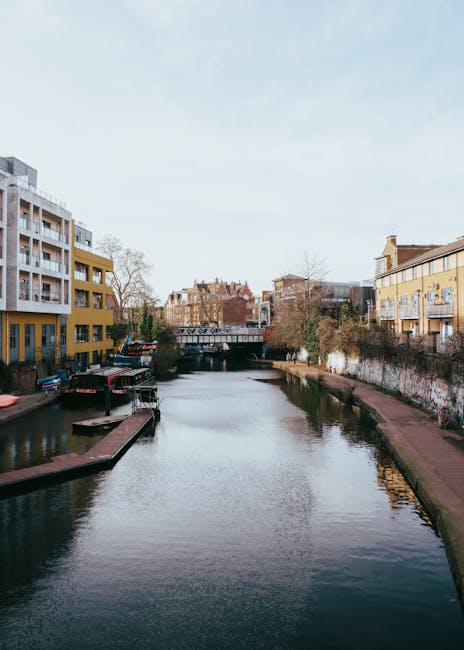
Regent's Canal is one of those London places that can feel calm one minute and cluttered the next. A crisp towpath, a few moored boats, cyclists gliding by, then a plastic bag caught in reeds or a pile of unwanted furniture left where it really should not be. If you are planning a cleanup near the water, the practical side matters as much as the good intentions. Regent's Canal Cleanups: Canal-Side Waste Removal Tips is about doing the job safely, sensibly, and with as little disruption as possible.
Whether you are helping to tidy a shared stretch of canal, clearing a small waterside storage spot, or removing debris after maintenance work, the goal is the same: get waste out efficiently, protect the canal environment, and avoid creating another problem on the way. In this guide, you will find a clear, local-minded approach to cleanup planning, waste sorting, disposal choices, safety, and best practice. Nothing flashy. Just the stuff that helps on an actual Saturday morning when the bins are full, the path is busy, and the wind is doing its own thing.
For larger or mixed loads, it can also help to understand broader removal services such as general waste removal, builders waste clearance, or even garden clearance if the canal-side area includes overgrown planting or cuttings. The right method depends on what you are removing and how close you are to the water.
Quick takeaway: the best canal-side cleanup is planned around access, safety, sorting, and responsible disposal. If a bag, box, or item needs two people and a second thought, it probably needs a proper removal plan too.
Table of Contents
- Why Regent's Canal Cleanups: Canal-Side Waste Removal Tips Matters
- How Regent's Canal Cleanups: Canal-Side Waste Removal Tips Works
- Key Benefits and Practical Advantages
- Who This Is For and When It Makes Sense
- Step-by-Step Guidance
- Expert Tips for Better Results
- Common Mistakes to Avoid
- Tools, Resources and Recommendations
- Law, Compliance, Standards, or Best Practice
- Options, Methods, or Comparison Table
- Case Study or Real-World Example
- Practical Checklist
- Conclusion
- Frequently Asked Questions
Why Regent's Canal Cleanups: Canal-Side Waste Removal Tips Matters
Canal-side waste is not just untidy. It can become a hazard, a blockage, a wildlife risk, and a maintenance headache very quickly. A single overflowing sack or broken bit of timber can snag against railings, spill into the water, or tempt fly-tipping. Once that happens, the cleanup gets more awkward, more expensive, and often more urgent. The canal may look peaceful, but it is a live environment with constant use from walkers, cyclists, boaters, residents, and local businesses.
There is also a simple human reason this matters: people notice. A clean stretch of towpath tends to feel safer and more cared for. A messy one can encourage more dumping. That is the grim little domino effect everyone knows but nobody enjoys talking about. The faster waste is removed, the less chance it has to spread.
Canal-side cleanups often involve mixed waste streams, from bagged litter and food packaging to broken furniture, plant cuttings, cardboard, or even renovation leftovers. That mix is where people get stuck. If you treat everything the same, you end up wasting time and sometimes money. If you separate the obvious reusable, recyclable, and bulky items early, the job becomes much smoother.
For Camden and nearby London areas, canal cleanup work also sits alongside broader expectations around responsible disposal, tidy working, and safe access. If your cleanup is linked to a property move, refurbishment, or commercial premises, it may make sense to combine it with house clearance, office clearance, or flat clearance rather than trying to shift everything in one improvised run.
How Regent's Canal Cleanups: Canal-Side Waste Removal Tips Works
A good canal cleanup follows a simple pattern: assess, sort, remove, and verify. The actual work can be quick if the plan is good, or frustrating if it is not. A towpath is narrower than a driveway and much less forgiving than a loading bay, so every step needs a bit more thought.
1. Assess the site first
Walk the area before lifting anything. Look for access points, trip hazards, uneven paving, slippery edges, mooring ropes, and spots where waste has been hidden behind railings or bushes. If the pile includes unknown items, sharp metal, or damp material, treat it as a mixed-risk load until proven otherwise.
2. Split waste into practical groups
Common canal-side groups include litter, cardboard, glass, green waste, metal, wood, furniture, and construction debris. Bags full of food waste or contaminated packaging may need separate handling. A few minutes of sorting at the start saves a lot of lifting later. Truth be told, this is the bit most people want to skip, and it is usually the bit that makes or breaks the job.
3. Plan the removal route
Where will waste be carried? Where can a van safely stop? Can a trolley fit without blocking pedestrians? On busy stretches, timing matters. Early morning often works better than midday, especially if you are around cafes, moorings, or commuter-heavy sections. You do not want bags being moved while people squeeze past with dogs, bikes, or coffee in hand.
4. Remove in the right order
Start with loose litter and small debris, then move to bagged waste, then bulky items. If you try to shift the biggest object first, the path gets tighter, messier, and slightly more theatrical than anyone planned. Not ideal.
5. Finish with a final sweep
Check for screws, glass, string, cable ties, or any small bits that can injure people or end up in the water. This final pass matters more than it sounds. A clean-looking surface can still hide the stuff that causes trouble later.
If the waste includes larger items such as damaged chairs, shelving, or garden furniture, it may be worth looking at furniture disposal or furniture clearance options rather than treating it as ordinary rubbish.
Key Benefits and Practical Advantages
The obvious benefit is a cleaner canal-side space. But the real value goes further than that. A well-run cleanup reduces friction for everyone using the area and helps prevent repeat problems.
- Safer paths: fewer sharp objects, loose debris, and trip hazards for walkers and cyclists.
- Better appearance: a tidy canal edge feels looked after, which usually encourages better behaviour from others.
- Less environmental risk: waste is less likely to blow or wash into the canal.
- More efficient disposal: sorting early improves recycling and cuts down on avoidable handling.
- Lower disruption: a planned removal avoids blocking towpaths for longer than necessary.
- Improved compliance: you are less likely to run into problems around improper dumping or unsafe handling.
There is also a quieter benefit: peace of mind. If you have ever stood beside a pile of rubbish near water and wondered whether you are missing something important, you will know the feeling. A proper system settles that. It turns a vague, messy task into a manageable one.
For landlords, property managers, traders, or local teams near the canal, combining cleanup with business waste removal can also reduce downtime. And if the area includes a storage room, basement, or loft attached to a nearby property, services like loft clearance or home clearance may be the more efficient route.
Who This Is For and When It Makes Sense
This kind of cleanup is useful for more people than you might think. It is not just for organised volunteer groups with hi-vis jackets and clipboards, though they do good work too.
- Residents dealing with dumped bags, broken household items, or overspill near a towpath.
- Boat owners and moorers keeping shared waterside areas tidy and safe.
- Landlords and agents preparing a canal-side property or nearby flat for new occupants.
- Local businesses clearing packaging, stock waste, or outdoor clutter from an entrance or rear access point.
- Contractors removing leftover materials after works close to the canal.
- Community groups organising litter picks or seasonal cleanups.
It makes sense when waste is bulky, mixed, awkward to carry, or too much for household bins. It also makes sense when the route to disposal is not straightforward. If you are wondering whether to deal with it yourself or bring in help, a useful rule of thumb is this: if the job involves more than one waste type, a narrow access point, and a time limit, you probably want a proper waste plan.
For outdoor or adjacent green spaces, garden clearance can be helpful, especially where canal-side planters, hedge cuttings, or overgrown corners have become part of the problem.
Step-by-Step Guidance
Here is a practical way to handle a canal-side cleanup without turning it into a messy half-day drama.
Step 1: Bring the right crew and permissions
Do not assume a cleanup is automatically fine just because the area looks public. Check who manages the land, whether there are access restrictions, and whether you need permission for larger work or vehicle access. If the stretch is private or adjacent to managed property, it is worth confirming things first. A quick call can save a lot of awkwardness later.
Step 2: Use the right protective kit
At minimum, plan for gloves, sturdy footwear, and high-visibility clothing if you are near traffic or busy paths. Add litter pickers, heavy-duty sacks, and eye protection if you are dealing with sharp or dusty waste. Wet towpaths can be slippery, and canal edges are not the place for a casual wobble.
Step 3: Identify hazardous items separately
Needles, broken glass, chemicals, oil containers, and electrical waste should not be mixed in with general rubbish. Stop and isolate them. If something looks odd, leaky, or sharp, treat it with caution. There is no prize for guessing.
Step 4: Sort recyclable and reusable items early
Cardboard, clean metal, some plastics, and certain furniture items may be suitable for recycling or reuse. Keep them separate from contaminated waste. This is where a little discipline pays off. A clean box of cardboard is much easier to process than cardboard soaked in coffee, canal water, and mystery residue.
Step 5: Load waste safely
Keep heavier items low and stable. Avoid overfilling sacks. Use trolleys or dollies where possible, but only if they can be manoeuvred safely on the towpath. If the load is bulky, consider arranging a removal service that can handle it in one go rather than dragging it around by hand.
Step 6: Clear away traces and check the edge
After removal, inspect the area for tiny scraps, fasteners, and forgotten packaging. Look especially near railings, steps, and mooring points where debris tends to collect. It is often the small bits that catch the eye later, not the main pile.
Step 7: Record what was removed
If you are managing the site for a landlord, business, or community group, keep a simple record of what was removed and how it was handled. No need for a grand spreadsheet unless you enjoy that sort of thing. A straightforward note is enough in many cases, and it can be useful if waste questions come up later.
Expert Tips for Better Results
After plenty of waste clearances in awkward places, a few habits stand out.
Tip 1: Work from the edge inward. Canal-side waste often spreads in a line. Start with the outer bits first so you do not trample debris deeper into the area.
Tip 2: Separate wet waste from dry waste. Wet bags and soggy cardboard weigh more than people expect. They also tear easily, which is a lovely little nuisance nobody wants.
Tip 3: Schedule around footfall. Early mornings or quieter midweek periods are often better than lunchtime or school-run hours. It is not just politeness; it is efficiency.
Tip 4: Protect the waterline. Keep loose items away from the edge while sorting. One gust of wind can do a surprising amount of damage to a tidy pile.
Tip 5: Use the right service for the load. A single sofa, a few chairs, and some bagged waste may be better handled as furniture clearance plus general removal, rather than forcing it into one rough category. Likewise, if the site has renovation residue, builders waste clearance may be the smarter choice.
Tip 6: Think about the end user. If you are cleaning near a cafe, mooring, residential entrance, or shared access point, leave the space usable straight after the work. That small detail matters more than people admit.
And yes, sometimes the simplest thing helps most: one extra pair of gloves, one extra sack, one extra sweep. Small margins, big difference.
Common Mistakes to Avoid
Most canal cleanup problems come from rushing, not from bad intentions.
- Mixing everything together: this makes disposal slower and can reduce recycling options.
- Ignoring access constraints: towpaths are narrow, and a large load can block movement fast.
- Leaving sharp waste unisolated: broken glass and metal edges need careful handling.
- Forgetting weather effects: rain turns cardboard to mush and makes paths slippery.
- Using the wrong bags: thin sacks split easily, especially with damp or bulky waste.
- Overlooking the final sweep: tiny debris near the edge can end up in the canal or underfoot.
- Assuming all waste can go in one trip: a mixed load may need more than one disposal route.
One common misstep is trying to "just move it quickly" because the pile looks small. Then you lift one bag and find bricks, damp timber, a rusty bracket, and a mystery item nobody wants to name. Happens more than you'd think.
Tools, Resources and Recommendations
The right tools do not need to be fancy. They just need to suit the canal-side setting.
| Tool or Resource | Best Use | Why It Helps |
|---|---|---|
| Heavy-duty gloves | General handling | Protects hands from sharp edges, grime, and damp waste |
| Litter pickers | Light debris and litter | Useful for reaching awkward spots without bending repeatedly |
| Strong waste sacks | Bagged rubbish | Reduces splitting during transport |
| Trolley or sack barrow | Bulky loads | Helps move waste safely along the towpath |
| Hi-vis vest | Busy access areas | Improves visibility around pedestrians and cyclists |
| Sealable containers | Hazardous or sharp items | Keeps risky items isolated before specialist disposal |
| Recycling bags or boxes | Clean recyclables | Makes sorting easier and cleaner |
For many canal-side projects, the most useful resource is not a tool at all but a reliable removal partner that understands mixed waste, access limits, and responsible handling. If you are comparing options, take a look at pricing and quotes so you can understand the likely structure before you commit. And if sustainability matters to your project, the page on recycling and sustainability is worth reading as part of your planning.
If you are dealing with a property close to the canal and want a broader tidy-up, the site's home clearance and garage clearance services can also be useful where waste has spread beyond the waterside itself.
Law, Compliance, Standards, or Best Practice
Waste handling in the UK should always be approached carefully. While the exact obligations can vary depending on the type of waste, who owns the site, and whether the material is household, commercial, or construction-related, the baseline expectation is simple: dispose of waste responsibly and use appropriate carriers and facilities where required.
For canal-side cleanups, the biggest compliance risks usually come from fly-tipping, unsafe handling of hazardous items, and leaving material where it could enter the water or obstruct access. If the waste was generated by a business or a contractor, it is sensible to keep records of where it came from and how it was removed. That basic paperwork can be useful if questions arise later.
Health and safety should not be treated as box-ticking either. Wet surfaces, lifting strain, sharp objects, and traffic near access points are all real concerns. A sensible cleanup plan normally includes safe lifting practices, clear communication, suitable PPE, and a fallback if the load turns out heavier or nastier than expected. If you want a clearer idea of the standards behind safe working, the company's health and safety policy and insurance and safety information are useful reference points.
For businesses especially, it is worth remembering that canal-side work can touch on a few different duties at once: safe working conditions, waste transfer expectations, and respect for shared public access. Nothing exotic. Just careful, boring compliance - which, honestly, is exactly what you want in this context.
Options, Methods, or Comparison Table
There is more than one way to handle a canal cleanup. The best choice depends on volume, waste type, access, and timing.
| Method | Best For | Pros | Watch Outs |
|---|---|---|---|
| Self-managed cleanup | Small litter jobs and light sorting | Low cost, flexible timing | Can be slow, tiring, and awkward for bulky waste |
| Volunteer-led pickup | Community tidy-ups | Good for morale and visible local impact | Needs supervision, safety planning, and disposal arrangements |
| Specialist waste removal | Mixed or bulky canal-side waste | Efficient, safer, less disruption | May cost more upfront than DIY |
| Separate recycling run | Clean cardboard, metal, or reusable items | Improves recovery rates | Requires careful sorting and storage |
If the task involves items from a renovation or site strip-out, a dedicated builders waste clearance route usually makes more sense than trying to fit it into a generic pickup. If you are clearing a business location nearby, business waste removal may be the better fit because it can handle ongoing or mixed operational waste more neatly.
Case Study or Real-World Example
Picture a small stretch near the canal where a resident, a boat owner, and a local shop all notice the same problem: a mix of bagged litter, a broken shelving unit, a few wet cardboard boxes, and some plant cuttings blown against the railings after a windy night. Nothing dramatic, but messy enough to attract more mess.
They start with a quick site walk in the morning, before the towpath gets busy. The wet cardboard is separated because it is too heavy to mix with clean recycling. The broken shelving is treated as bulky waste rather than shoved into ordinary bags. The plant cuttings go into a separate load. A couple of sharp screws are picked up with a tool rather than by hand. Simple, but effective.
Because the route is narrow, they avoid stacking waste too close to the edge. One person keeps watch for cyclists while another loads the van at a nearby safe stopping point. There is a bit of back-and-forth, yes, but the cleanup finishes without blocking the towpath for long. The area looks better, smells less damp, and feels open again. That last part matters more than people think. A clear space changes how people use it.
Later on, the residents decide that the leftover contents from a nearby shed and a few old chairs should be dealt with as a combined clearance rather than left for another weekend. At that stage, a service like flat clearance or office clearance could make the process faster if the waste is coming from an adjacent property or workspace.
Practical Checklist
Use this before you start. It is not glamorous, but it saves headaches.
- Check who manages the site and confirm access if needed.
- Walk the area and identify hazards, narrow points, and lifting challenges.
- Bring gloves, sturdy footwear, waste sacks, and a litter picker.
- Separate clean recyclables from contaminated waste.
- Isolate sharp, heavy, or suspect items immediately.
- Plan where the van or collection point will be.
- Choose a quieter time of day if the towpath is busy.
- Keep waste away from the canal edge while sorting.
- Do a final sweep for screws, glass, cords, and small scraps.
- Confirm disposal routes for bulky, mixed, or special items.
- Keep a simple note of what was removed if the work is for a business or managed site.
Checklist done. Nice and unromantic, which is exactly how it should be.
Conclusion
Canal-side cleanup work around Regent's Canal rewards preparation more than brute effort. If you sort early, protect the route, use the right equipment, and choose the right disposal method, the job becomes much more manageable. That means less stress, less mess, and a better result for everyone who uses the canal afterwards.
Whether you are clearing litter after a busy weekend, dealing with dumped bulky waste, or planning a larger tidy-up near a waterside property, the same principles apply: be safe, be selective, and do not underestimate the value of a proper removal plan. A good cleanup does not just make the area look better. It helps the whole place feel better. And in a city like London, that counts for a lot.
If you are comparing removal options, checking sustainability expectations, or planning a more involved clearance near the canal, start with a clear quote and a sensible process. It saves time, and usually a bit of money too.
Get a free quote today and see how much you can save.
Sometimes the best kind of clean-up is the one that quietly makes the next walk along the water feel easier, lighter, and a bit more pleasant.
Frequently Asked Questions
What is the best way to remove waste from a canal-side area?
The best approach is to sort waste first, keep hazardous or sharp items separate, and plan a safe route away from the water and pedestrian flow. For bulky or mixed items, a professional removal service is usually the cleanest option.
Can I put canal-side rubbish in normal household bins?
Small amounts of light litter may be manageable, but bulky, wet, sharp, or mixed waste usually does not belong in ordinary household bins. It is better to arrange appropriate removal so you do not overfill bins or create disposal problems.
How do I handle broken furniture near the canal?
Broken furniture should be kept separate from loose litter and handled as bulky waste. If it is still in usable condition, consider reuse or recovery first. Otherwise, furniture-specific removal is often the easiest route.
What should I do with wet cardboard or soaked packaging?
Wet cardboard loses recycling value quickly and becomes heavy and awkward. Keep it separate from clean dry cardboard, and treat it as contaminated waste if needed. It is one of those small details that makes a surprising difference.
Is canal-side cleanup safe to do myself?
Small, low-risk tidy-ups can be done yourself if you have the right kit and the area is safe. If there are sharp objects, heavy waste, poor access, or water-edge hazards, it is better to bring in experienced help.
What kinds of waste are most common along Regent's Canal?
Typical waste includes litter, food packaging, drinks containers, broken household items, plant cuttings, cardboard, and occasional renovation debris. Some stretches also pick up waste from nearby businesses or shared access areas.
Do I need permission to clean a canal-side space?
It depends on who owns or manages the land and whether your work affects access, moorings, or nearby property. For larger cleanups, it is sensible to confirm permission or site arrangements before starting.
How can I reduce fly-tipping near the canal?
Regular tidy-ups, quick removal of dumped items, clear reporting channels, and visible care of the area all help. Once an area starts to look ignored, fly-tipping often becomes more likely, so speed matters.
What should I avoid doing during a cleanup?
Avoid lifting unknown sharp items by hand, overfilling sacks, blocking the towpath, or leaving waste close to the canal edge. Also avoid mixing everything together, because that makes disposal harder and less efficient.
How do I choose between DIY removal and a professional service?
Choose DIY for very small, simple jobs with low risk. Choose a professional service when waste is bulky, mixed, heavy, time-sensitive, or difficult to access. If you are unsure, it is usually safer to get a quote and compare options first.
What if the cleanup includes garden cuttings or outdoor waste?
Garden-related waste is best separated from household rubbish so it can be handled correctly. If there are branches, hedge trimmings, or overgrown debris, a dedicated garden clearance approach is often the neatest solution.
Where can I learn more about responsible waste handling and safety?
Useful starting points include the site's recycling and sustainability information, plus the health and safety policy and insurance and safety pages for a better sense of how careful waste work should be managed.